Wrap Removal: 2026 Cost & Process Guide
Learn what to expect during vinyl wrap removal, including 2026 cost estimates, labor times, and how to avoid damaging your vehicle's paint.
Whether you are selling your vehicle, returning a lease, or simply ready for a fresh color, vinyl wrap removal is an inevitable part of the vehicle customization lifecycle. While many owners focus on the installation, the removal process is equally critical to ensuring your original paint remains in pristine condition.
In this guide, we break down what to expect during a professional removal, the factors that influence the cost, and why timing is everything when it came to preservation.
What is the Average Cost of Wrap Removal?
In 2026, the cost to remove a vehicle wrap typically ranges from $500 to $2,500. This wide range exists because removal is billed primarily by labor hours. A wrap that was installed recently and kept in a garage will peel off in large sheets, while a sun-damaged, "baked-on" wrap may require painstaking scraping inch by inch.
Price Breakdown by Vehicle Type
| Vehicle Type | Estimated Removal Cost | Estimated Time |
|---|---|---|
| Coupe / Sedan | $500 – $900 | 4 – 8 Hours |
| SUV / Truck | $800 – $1,400 | 8 – 12 Hours |
| Large Vans / Commercial | $1,200 – $2,500+ | 12 – 20+ Hours |
*Note: These prices assume the wrap is within its warranted lifespan. If the vinyl is failing, costs can double due to adhesive residue removal.*
To get an accurate estimate for your specific vehicle and wrap condition, you can search for local removal specialists.
Factors That Impact Removal Cost
Several variables determine how long a technician will spend on your car, which directly correlates to your final bill:
- Age of the Wrap: High-quality vinyl brands like Avery Dennison and 3M have a clean removal period (usually 3–5 years). Beyond this, the adhesive hardens and bonds permanently to the clear coat.
- Climate Exposure: Vehicles kept in high-UV states (like Arizona or Florida) experience faster vinyl degradation. "Ghosting" or cracking makes removal significantly more difficult.
- Vinyl Quality: Premium cast films are designed to be removed. Cheap, promotional-grade calendered films often shatter into tiny pieces, tripling the labor time.
- Horizontal Surfaces: Roofs and hoods take the most sun damage. If these areas are "burnt," they may require specialized chemical solvents to strip.
The Professional Removal Process
When you take your car to a pro, they follow a systematic approach to protect your paint:
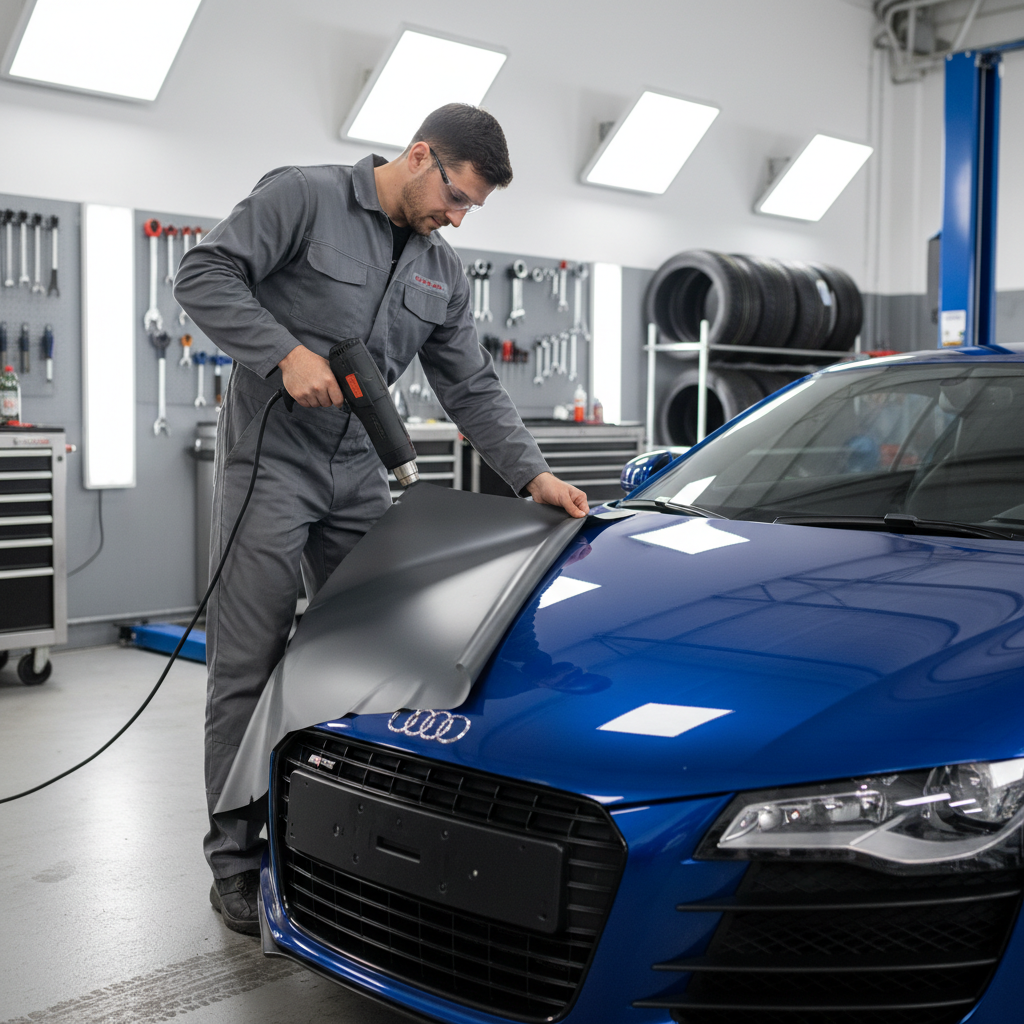
* Controlled Heat: Installers use industrial heat guns or specialized IR heaters to soften the adhesive without scorching the paint.
* The Pull: Vinyl is pulled back at a 45-degree angle to minimize "adhesive transfer" (sticky residue left on the car).
* Adhesive Cleanup: Any remaining glue is treated with citrus-based or specialized chemical removers.
* Surface Prep: After removal, the vehicle is usually washed and may require a light polish to remove "ghosting"—the faint outline where the wrap edges used to be.
Can I Do It Myself?
While DIY removal is possible, it is physically demanding and carries risks. If you use too much heat, you can bubble your clear coat. If the vinyl is old and brittle, you risk scratching the paint with plastic scrapers.
If you are unsure of the wrap's age or if the paint underneath was not factory-original, we highly recommend consulting a professional. You can use our wrap cost calculator to help budget for your next project after the removal is complete.
Transitioning to Your Next Look
Once the wrap is off, your car is a blank canvas. Many owners choose to move from a standard vinyl wrap to advanced options like Color PPF or a new custom livery.
If your paint looks brand new after removal, consider a ceramic coating or clear Paint Protection Film to keep it that way. You can learn more about these options in our PPF Complete Guide.
Conclusion
Wrap removal is a "pay now or pay later" situation. Removing the vinyl within its recommended lifespan is affordable and safe. Waiting until the wrap is cracking and peeling can lead to high labor costs and potential paint damage. Ready to find a shop to handle the job? Find top-rated installers near you today.
Frequently Asked Questions
How long does it take to remove a car wrap?
Professional wrap removal typically takes between 4 to 12 hours for a standard passenger vehicle. However, if the vinyl is old, cracked, or sun-baked, the process can take 20 hours or more as the material must be removed in tiny fragments.
Will removing a wrap damage my car's paint?
If the wrap was applied over high-quality, factory-original paint and removed within its warranted lifespan (usually 5-7 years), it will not damage the paint. Damage usually only occurs if the paint was already failing, the car had a poor-quality respray, or the vinyl was left on far beyond its expiration date.
Is it cheaper to remove a car wrap myself?
Yes, you can remove a wrap yourself using a heat gun and adhesive remover, but it is labor-intensive. The biggest risk is 'tiger stripping' or cracking the vinyl if it's too cold, or burning the clear coat if it's too hot. Professional removal is recommended for wraps older than 5 years.