Window Tinting Near Me: 2026 Cost, Laws & Best Brands
Looking for window tinting near me? Learn about 2026 costs, ceramic vs. dyed film, state laws (VLT%), and how to find the best local tint shops.
Searching for "window tinting near me" usually involves more than just finding the closest shop. Whether you are looking to beat the summer heat, increase privacy, or give your vehicle a sleek aggressive look, window tinting is one of the most popular automotive upgrades in 2026.
However, choosing the wrong film or ignoring local tint laws can lead to expensive tickets and visibility issues. This guide breaks down everything you need to know about professional window tinting, from ceramic technology to state-specific regulations.
How Much Does Window Tinting Cost in 2026?
The cost of window tinting varies based on the type of film used and the number of windows being tinted. On average, a full 4-door sedan costs between $250 and $850.
| Tint Type | Estimated Cost (Full Car) | Main Benefit |
|---|---|---|
| Dyed Film | $150 – $300 | Budget-friendly, aesthetic only |
| Carbon Film | $300 – $500 | No signal interference, matte look |
| Ceramic Tint | $450 – $850+ | Superior heat rejection, UV protection |
If you are looking for an exact quote for your specific vehicle, check our cost calculator to plan your budget before visiting a shop.
Ceramic vs. Dyed Window Tint: What’s the Difference?
When you search for installers, you’ll likely be asked which material you prefer. Understanding the difference is critical for long-term satisfaction.
1. Ceramic Tint (The Gold Standard)
Ceramic window tint contains non-conductive, non-metallic ceramic particles. It is the highest-quality option available in 2026.
* Heat Rejection: Blocks up to 99% of infrared heat.
* Clarity: Offers the best visibility, even at night.
* Durability: Won’t fade or turn purple over time.
2. Carbon Tint
Carbon film uses carbon particles rather than dye. It provides a unique matte finish and is excellent at blocking heat without the premium price tag of ceramic. It also does not interfere with cell phone or GPS signals.
3. Dyed Tint
This is the most affordable option. It uses a layer of dye to absorb sunlight. While it provides privacy and looks great initially, dyed film is prone to "purpling" and bubbling over 3–5 years and offers minimal heat protection.
Understanding Window Tint Laws (VLT %)
Window tint darkness is measured by Visible Light Transmission (VLT). A 5% tint (Limo Tint) allows only 5% of light through, while a 70% tint is nearly clear.
Every state has specific laws regarding how dark you can go. Most states follow these general guidelines:
* Front Side Windows: Usually require higher VLT (35% to 50%) for driver visibility.
* Rear Side & Back Windows: Often allow darker tints (down to 5% in many states).
* Windshield: Usually restricted to a strip at the top (AS-1 line).
Pro Tip: If you move frequently, aim for a 35% VLT all around. This is the "legal sweet spot" that is compliant in the majority of U.S. states.
Best Window Tint Brands for 2026
When choosing a shop, ask which film brands they carry. Top-tier brands offer lifetime warranties against peeling, bubbling, and fading. Look for these industry leaders:
* XPEL: Known for the Prime XR Plus series, which offers industry-leading heat rejection.
* 3M: A pioneer in the space, specifically their Crystalline and Color Stable lines.
* Lumar (Eastman): Highly regarded by professionals for ease of installation and clarity.
* Suntek: Offers a great balance of performance and price for carbon and ceramic lines.
How to Find the Best Window Tinting Near You
Finding a shop is easy, but finding a *quality* shop requires a bit of research. Here is a checklist for your search:
- Check the Portfolio: Does the shop have experience with your specific vehicle? Some cars (like Teslas with large rear glass) require specialized skills.
- Verify the Warranty: Always choose a shop that offers a manufacturer-backed lifetime warranty.
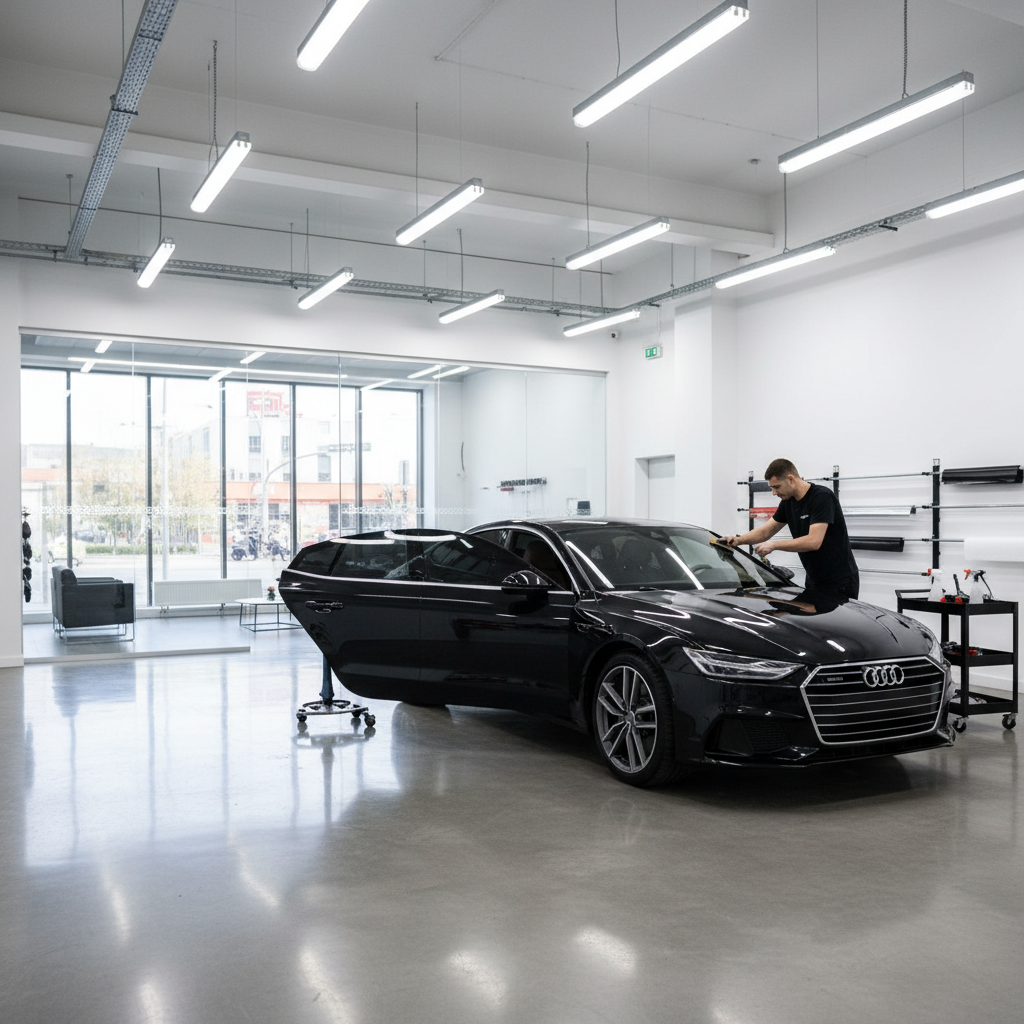
- Cleanliness Matters: Window tinting must be done in a climate-controlled, dust-free environment.
- Read Recent Reviews: Look for mentions of "clean edges" and "no bubbles."
Ready to upgrade your ride? You can search for top-rated window tint installers in your area directly through our directory.
Maintenance and Care
After getting your windows tinted, remember the 48-hour rule: do not roll down your windows for at least two days. This allows the adhesive to cure fully. For long-term care, avoid ammonia-based cleaners, which can degrade the film. Instead, use a soft microfiber cloth and water or a tint-safe cleaner.
For more information on protecting your car's exterior, check out our Paint Protection Film (PPF) Guide.
Frequently Asked Questions
Is ceramic window tint worth the extra cost?
Ceramic window tint is significantly better than regular dyed tint because it blocks up to 99% of infrared heat and UV rays. It also offers better visibility at night and will never fade or turn purple, making it a much better long-term investment.
How long does it take to tint a car?
On average, a professional window tint job takes between 2 to 4 hours. This depends on the number of windows and whether the shop needs to remove old tint first. You should leave the windows rolled up for at least 48 hours after installation to allow the adhesive to cure.
What does VLT% mean in window tinting?
VLT stands for Visible Light Transmission. It is the percentage of light that the window film allows to pass through. For example, a 20% VLT tint is darker than a 50% VLT tint. Most states have specific VLT limits for front side windows to ensure driver visibility.