What Can Damage a Vinyl Wrap? (2026 Protection Guide)
Discover what damages vinyl wraps and how to protect your investment. Learn about UV rays, chemical spills, and washing mistakes to avoid.
A high-quality vehicle wrap is a significant investment in your vehicle’s aesthetics and resale value. While modern vinyl is engineered to withstand the elements, it is not invincible. To keep your finish looking showroom-fresh for the full 5-7 year lifespan, you need to understand the environmental and chemical threats that can lead to premature failure.
From UV radiation to improper washing techniques, here is the definitive guide on what damages vinyl wraps and how to prevent it.
1. UV Exposure and Heat
Sunlight is the primary enemy of vinyl. Over time, UV rays break down the pigments in the film (causing fading) and the plasticizers in the vinyl (causing it to become brittle and crack).
* The Damage: Fading, "baking" (where the vinyl bonds too strongly to the paint), and cracking.
* The Fix: Whenever possible, park in a garage or under a carport. If you live in high-UV states like Arizona or Florida, applying a ceramic coating specifically formulated for vinyl can add a critical layer of UV protection.
2. Chemical Contaminants & Fuel Spills
Vinyl is porous on a microscopic level. Harsh chemicals can penetrate the surface and cause permanent staining or "swelling" of the material.
* Gasoline: Spilling fuel during a fill-up is a common cause of damage around the gas cap. Gasoline eats through the laminate layer almost instantly.
* Solvents: Using isopropyl alcohol at high concentrations or harsh degreasers can strip the finish.
* The Fix: If you spill gas, wipe it off immediately with a wet paper towel. Always use pH-neutral soaps for regular cleaning.
3. Improper Washing Techniques
The fastest way to ruin a wrap is a trip through an automated car wash.
| Method | Risk Level | Why? |
|---|---|---|
| Automatic Brush Wash | High | Abrasive brushes create "swirl marks" and can lift the edges of the vinyl. |
| High-Pressure Power Wash | Medium | If the nozzle is too close, it can tear the vinyl or force water under the edges. |
| Two-Bucket Hand Wash | Low | The safest method. Uses lubrication to prevent scratching. |
Pro Tip: If using a pressure washer, keep the nozzle at least 12 inches away from the surface and avoid aiming directly at the seams or edges.
4. Environmental Hazards: Birds and Trees
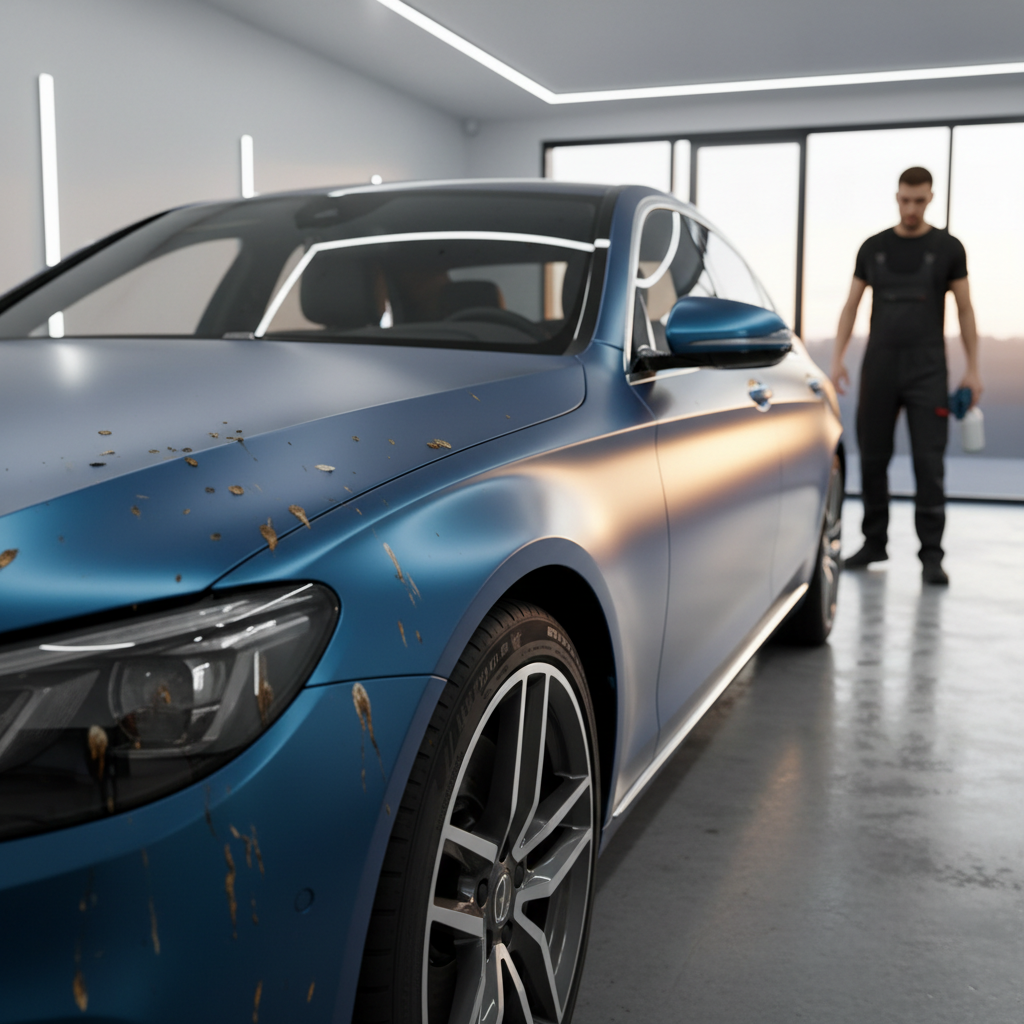
Nature can be surprisingly acidic. Left untreated, organic materials will etch into the vinyl.
* Bird Droppings: Highly acidic. If left in the sun, they can "burn" through the laminate in 24-48 hours.
* Tree Sap: Becomes incredibly difficult to remove once it hardens, often requiring heat or chemicals that might damage the wrap.
* Bug Splatter: Similar to bird droppings, the acidity can cause permanent ghosting images on your hood and bumper.
5. Road Salts and Magnesium Chloride
In winter climates, road salts are used to melt ice. These salts are highly corrosive. If salt is allowed to sit on the wrap, it can cause the vinyl to dry out and lose its adhesive properties at the edges, leading to "lifting."
How to Protect Your Investment
To ensure you don't need an early replacement, follow these three golden rules:
- Clean Frequently: Don't let dirt and contaminants sit. A quick spot-clean with a dedicated wrap detailer saves hours of deep cleaning later. Check our car wrap maintenance guide for a full checklist.
- Add a Sacrificial Layer: Applying a ceramic coating over your wrap is the #1 way to prevent UV damage and staining. It makes the surface "hydrophobic," meaning contaminants slide right off.
- Watch the Edges: When drying your car, use a microfiber towel to gently pat the edges. Never "scrub" the seams.
If your wrap has already sustained damage that can't be cleaned, it may be time to consult a professional for a panel replacement. You can search for local wrap installers here to get a repair quote.
Cost of Ignoring Maintenance
Neglecting your wrap doesn't just look bad—it costs money. A well-maintained wrap can last 7 years. A neglected one may fail in 2-3 years. Considering the average cost of a wrap, replacing your vinyl twice as often as necessary can cost you thousands of dollars in the long run.
Frequently Asked Questions
Can gasoline damage my car wrap?
Yes, gasoline is highly corrosive to vinyl. If spilled, it can cause the laminate to peel or the color to stain permanently. Always wipe away fuel spills immediately with water and a clean cloth.
Is it safe to take a wrapped car through a car wash?
No. Automatic car washes with spinning brushes are too abrasive and can cause scratches or lift the edges of the vinyl. Pressure-based touchless washes are safer, but a hand wash is always recommended.
Will bird droppings ruin a vinyl wrap?
Bird droppings and tree sap are acidic and will etch into the vinyl if left in the sun. Remove them as soon as possible using warm, soapy water or a dedicated wrap cleaner to prevent permanent 'ghosting' marks.