Race Car Wraps Guide: 2026 Costs, Materials & Design
Master the track with our 2026 Race Car Wraps Guide. Learn about motorsport livery costs, high-visibility materials, and how to maximize sponsor exposure.
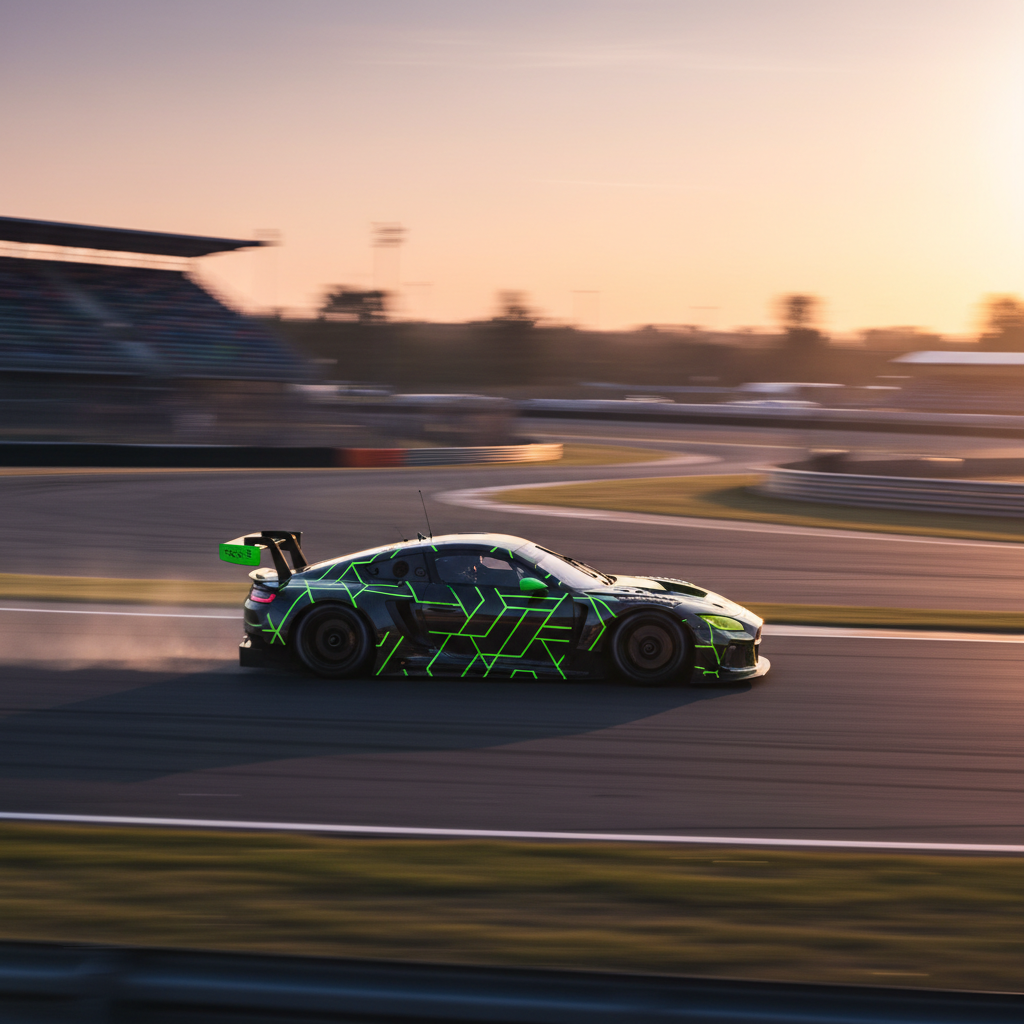
In the high-stakes world of motorsport, your vehicle's appearance is more than just aesthetics—it’s a rolling billboard for sponsors, a psychological edge over competitors, and a vital layer of protection for your bodywork. Whether you are running a local spec-Miata, a drift missile, or a professional GT3 team, a high-quality race car wrap is the gold standard for track-ready branding.
In this guide, we’ll break down the costs, materials, and design considerations for motorsport wraps in 2026.
Why Choose a Wrap Over Paint for Racing?
In the past, complex racing liveries required weeks of intricate airbrushing or multi-stage paint jobs. Today, digital printing and advanced vinyl technology have made wraps the superior choice for several reasons:
- Speed of Repair: Racing is a contact sport. If you fender-bender during a Saturday heat, a wrap shop can print a replacement panel overnight and have you looking brand new for Sunday's finals.
- Weight Savings: Modern high-performance vinyl from brands like Avery Dennison and 3M adds negligible weight compared to multiple layers of heavy automotive paint and clear coat.
- Sponsor Flexibility: Sponsorships change season to season (or even race to race). Vinyl allows you to swap out individual decals or entire sections without repainting the car.
- Paint Protection: Most race cars use expensive carbon fiber or lightweight composite panels. A wrap protects these substrates from track debris, rubber "marbles," and UV damage.
2026 Race Car Wrap Cost Estimates
The cost of a race car wrap varies significantly depending on the complexity of the design and the coverage area.
| Wrap Type | Estimated Cost (USD) | Description |
|---|---|---|
| Simple Decal Kit | $500 - $1,200 | Numbers, sponsor logos, and basic stripes on factory paint. |
| Partial Race Wrap | $1,500 - $2,800 | 50-70% coverage, integrating the car’s base color into the design. |
| Full Custom Livery | $3,500 - $6,500+ | Full color change with complex printed graphics and sponsor placement. |
| Chrome/Reflective Wrap | $5,000 - $9,000+ | High-visibility materials that pop under track lights or in photos. |
*To get a precise estimate for your specific chassis, use our Car Wrap Cost Calculator.*
Popular Materials for Motorsport
When choosing a material, motorsport athletes often look for specialized finishes:
* Fluorescent & Neon: Essential for visibility. Neon yellows and oranges are standard for endurance racing to help pit crews spot the car at night.
* Reflective Vinyl: Used for numbers and accents so the car "glows" under camera flashes and track lighting.
* Satin & Matte: Popular in the drift scene (e.g., Formula Drift) for a stealthy, aggressive look that doesn't produce harsh glares for other drivers.
* Overlaminates: For racing, we recommend a heavy-duty gloss laminate. This makes it much easier to wipe off track grime, tire rubber, and oil after a session.
The Design Process: Form Meets Function
Designing a race car livery isn't just about looking "cool." It requires strategic placement:
* The "TV Panel": The hood and sides are the most valuable real estate for primary sponsors.
* The Roof: Often used for large car numbers to help track officials identify the vehicle from high-angle towers or drones.
* Contrasting Colors: Ensure your car numbers are in a high-contrast color (e.g., white on dark blue) to comply with sanctioning body rules (SCCA, NASA, IMSA).
Finding a Pro Installer
A race car wrap undergoes more stress than a daily driver. High heat from the engine bay, 150+ mph wind resistance, and frequent washing mean you need an installer who understands "deep-recess" installations and edge-sealing.
Ready to get your car track-ready? Search for professional motorsport wrap installers near you on TheWrapMap.
Maintenance on the Track
To keep your livery looking fresh throughout the season:
* Use a dedicated "wrap detailer" spray to lift rubber marks immediately after a race.
* Avoid using harsh degreasers on matte or satin finishes.
* Check out our 2026 Maintenance Guide for more tips.
Frequently Asked Questions
How much does a custom race car wrap cost?
Most professional race car wraps cost between $3,500 and $6,500 for a full custom livery. Simple sponsor decal kits can start as low as $500, while premium chrome or reflective finishes can exceed $8,000.
Are wraps lighter than paint for racing?
Yes, vinyl wraps are generally lighter than a multi-stage custom paint job with a clear coat. For professional racing teams where every ounce counts, ultra-thin high-performance cast vinyl is the preferred choice for branding.
How long does a race car wrap last?
While a standard wrap can last 5-7 years, a race car wrap's lifespan depends on track conditions. Most teams refresh their liveries every season (1 year) due to track debris, contact, and sponsorship changes.
What is the best vinyl brand for racing?
Avery Dennison, 3M, and ORAFOL are the industry leaders for motorsport. Specifically, look for 'cast' vinyl rather than 'calendered' vinyl, as it handles the curves of aero kits and high-speed vibrations much better.