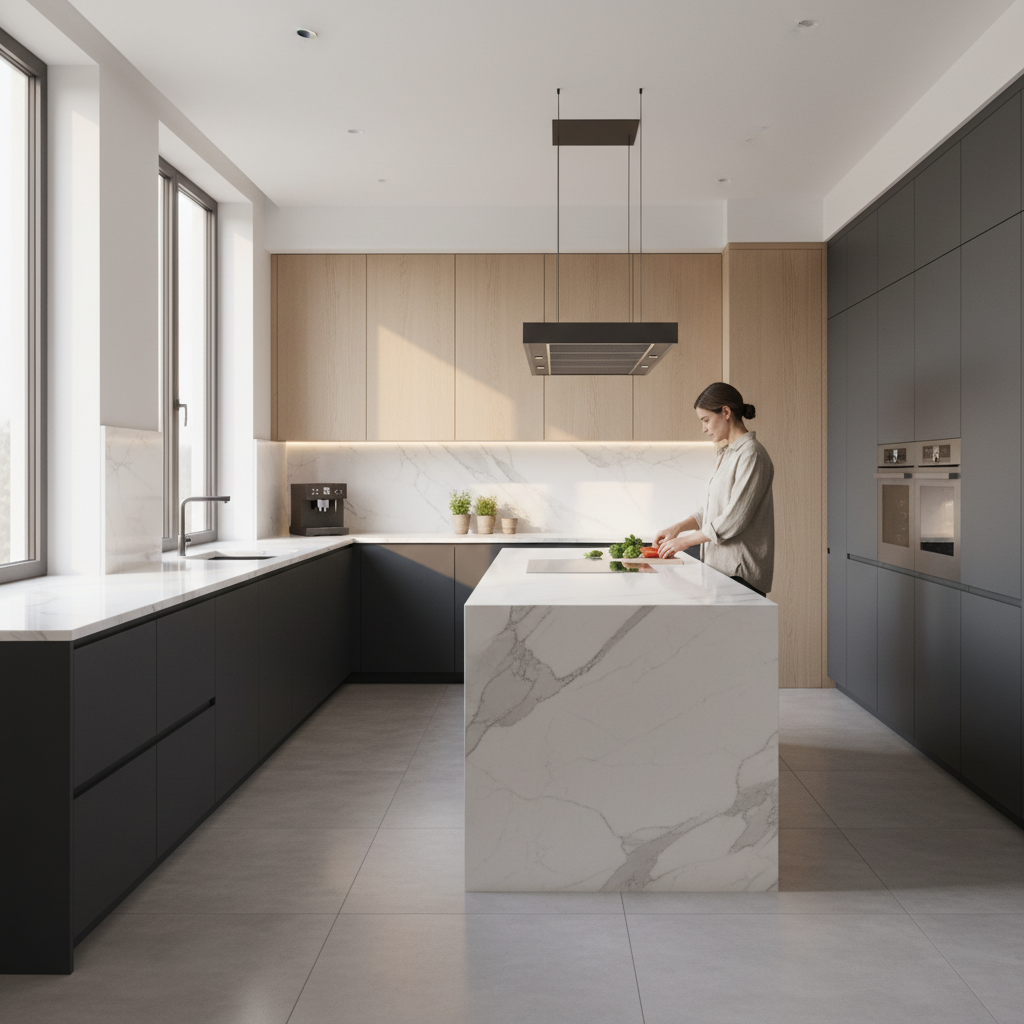
Kitchen Cabinet Wraps: 2026 Guide to Costs & Styles
Discover the costs, materials, and trends for kitchen cabinet wraps in 2026. A modern, durable, and cost-effective alternative to kitchen remodeling.
Are you tired of looking at outdated oak cabinets or peeling laminate, but shivering at the thought of a $20,000 kitchen remodel? Welcome to the world of architectural vinyl wraps.
Originally popularized by the automotive industry, vinyl technology has evolved to dominate interior design. Wrapping your kitchen cabinets is no longer a "DIY hack"—it is a sophisticated, professional-grade solution for homeowners and renters who want a high-end look without the demolition dust.
What is a Kitchen Cabinet Wrap?
A kitchen wrap involves applying a specialized architectural adhesive film (like those from Avery Dennison or 3M) over your existing cabinet doors and frames. Unlike standard car vinyl, interior architectural films are thicker, textured, and designed to withstand the heat and humidity of a cooking environment.
Why Choose Wrapping Over Painting?
| Feature | Cabinet Wrapping | Traditional Painting |
|---|---|---|
| Duration | 1-2 Days | 5-7 Days |
| Durability | High (Scratch/Heat Resistant) | Moderate (Prone to chipping) |
| Finish | Factory-perfect textures | Potential brush/spray marks |
| Mess | Zero dust/fumes | High dust/fume levels |
| Reversibility | 100% Removable | Permanent |
How Much Does it Cost to Wrap Kitchen Cabinets?
In 2026, the cost of a professional kitchen wrap typically ranges from $1,500 to $4,500, depending on the size of your kitchen and the complexity of the cabinet faces (shaker style vs. flat panel).
If you are a DIY enthusiast looking to save, you can purchase premium films from suppliers like MetroRestyling. Expect to spend between $300 and $700 on materials for a standard-sized kitchen.
To compare these costs against automotive projects, check out our wrap cost calculator.
Popular 2026 Texture & Finish Trends
The beauty of high-end architectural vinyl is the realistic texture. Modern films don't just look like materials; they feel like them.
- Ultra-Matte Black and Charcoal: Featuring anti-fingerprint technology.
- Architectural Wood Grains: Deeply textured Oaks, Walnuts, and Teaks that mimic the feel of raw wood.
- Metallic Finishes: Brushed gold or "Champagne" accents for island units.
- Stone & Marble: Seamlessly wrap an island to look like solid Carrara marble without the weight or cost.
Can You DIY Your Kitchen Wrap?
While many homeowners take on this project, architectural vinyl requires a different technique than wrapping a car.
* Prep is King: Cabinets must be degreased meticulously. Any trace of cooking oil will cause the vinyl to fail.
* Door Styles: Flat-panel (Slab) cabinets are beginner-friendly. Professional help is highly recommended for Shaker-style or intricate raised-panel doors to ensure the vinyl doesn't "bridge" or peel in the corners.
* Tools: You’ll need a heat gun, felt-edge squeegee, and a precision cutting blade.
Finding a Professional Installer
While many vehicle wrap shops focus on cars, the skills are highly transferable. Many top-tier installers listed on TheWrapMap now offer residential architectural services.
Ready to transform your home? Search for local wrap pros here to see who in your area specializes in architectural or interior vinyl applications.
Final Verdict
Kitchen cabinet wrapping is the ultimate "smart" renovation. It bridges the gap between a cheap temporary fix and a permanent, expensive replacement. Whether you’re preparing a home for sale or finally tackling that "ugly" kitchen, vinyl offers a durable, stylish, and cost-effective path to a dream interior.
Frequently Asked Questions
How long do kitchen cabinet wraps last?
With professional installation and high-quality architectural film, kitchen wraps can last between 7 to 10 years. They are designed to be heat-resistant and moisture-resistant, making them ideal for the kitchen environment.
Are kitchen wraps removable for renters?
Yes! One of the biggest advantages of vinyl wrapping is that it is 100% removable without damaging the original surface. This makes it an ideal solution for renters or homeowners who may want to change styles later.
Can kitchen wraps handle heat and steam?
Professional architectural films are highly heat-resistant and won't peel from steam or standard cooking heat. However, you should still avoid placing boiling pots directly against the vinyl surface.