How to Wrap a Vehicle: DIY vs. Professional 2026 Guide
Should you DIY your car wrap or pay a pro? In this 2026 guide, we break down costs, tools, and the step-by-step process of how to wrap a vehicle.
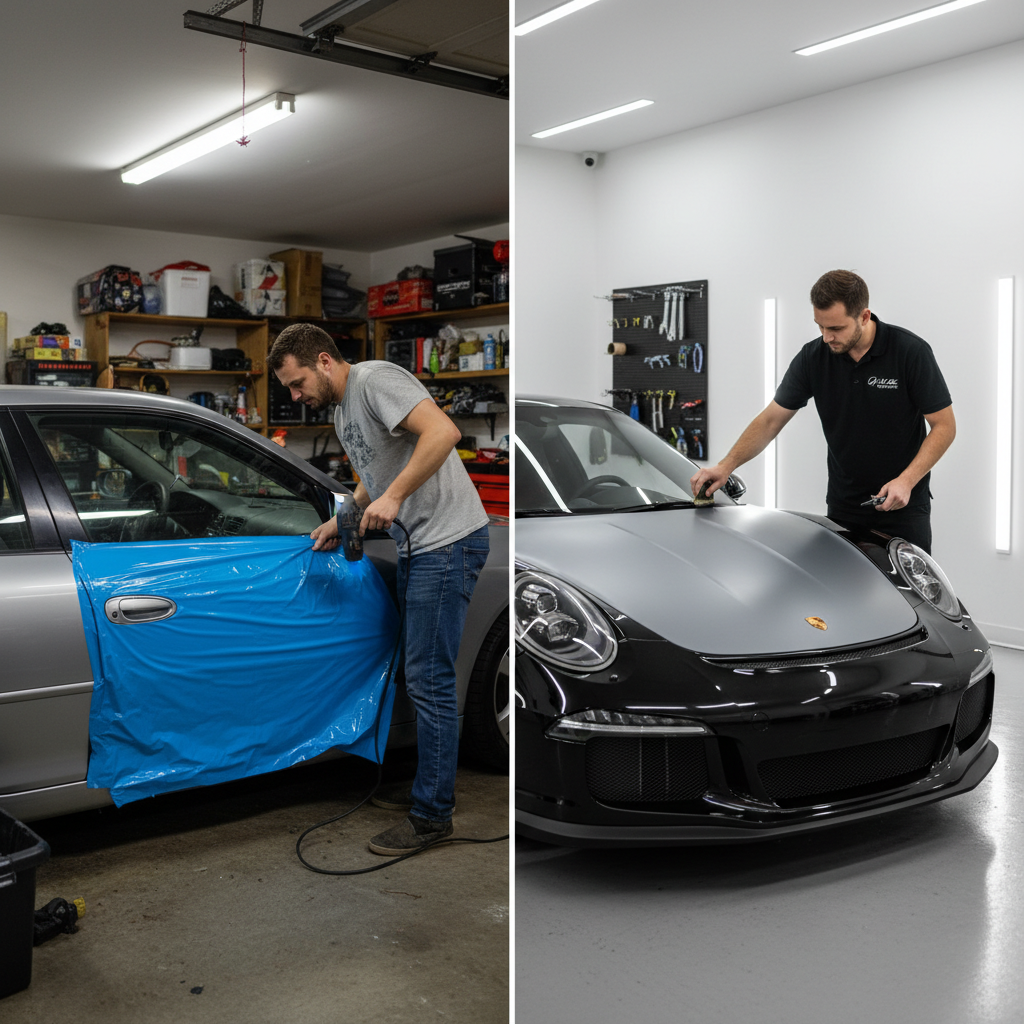
So, you want to change the look of your ride. Whether it’s a striking color shift or a sleek satin black, the big question remains: Should you do it yourself or hire a pro?
In 2026, vinyl technology has made "DIY-friendly" films more accessible than ever, but the gap between a home garage job and a professional finish is still significant. This guide breaks down the process of how to wrap a vehicle, the tools you’ll need, and the cold hard truth about costs and results.
The DIY Route: Can You Really Do It Yourself?
Wrapping a car is often described as "big stickers for adults," but it’s actually a high-stakes game of patience, heat management, and precision cutting.
Tools Every DIYer Needs
If you’re serious about a DIY project, you can't just wing it with a hair dryer and a kitchen knife. You will need:
* Heat Gun: Essential for stretching the film around curves and "setting" the glue.
* Squeegee Kit: Use various hardness levels with felt buffers to prevent scratching the film.
* Precision Blades: 30-degree snap-off blades are the industry standard.
* Knifeless Tape: The secret weapon for clean lines without cutting your car's paint.
* Tack Cloth & Isopropyl Alcohol: For the deep cleaning process.
* Magnets: To hold the vinyl in place while you position it.
The Realistic DIY Cost
While you save on labor, you still have material costs. A high-quality roll of vinyl (like Avery Dennison or 3M) typically costs between $600 and $1,200 depending on the vehicle size.
* Pros: Cost savings, pride of workmanship, total creative control.
* Cons: Extremely high learning curve, risk of paint damage, potential for bubbles/wrinkles, no warranty.
Professional Wrapping: Why It’s Usually Worth It
When you pay for a professional installation, you aren't just paying for the vinyl; you're paying for a climate-controlled environment, hundreds of hours of experience, and a guarantee.
The Professional Process
- Preparation: Professionals often remove door handles, mirrors, and trim to tuck the vinyl deep into the crevices for a "seamless" look.
- Environment: Dust is the enemy of vinyl. Pro shops use filtered air and static-reduction techniques.
- Post-Heating: This is where DIYers fail. Pros heat the vinyl to its "memory point" (usually 180°F+) so it stays in the shape of the car and doesn't pull back.
Professional Costs in 2026
A full professional wrap typically ranges from $2,500 to $6,000. You can get a more accurate estimate using our wrap cost calculator.
| Feature | DIY Installation | Professional Shop |
|---|---|---|
| Average Cost | $700 - $1,500 | $2,500 - $6,000+ |
| Time Investment | 40 - 60+ Hours | 3 - 5 Days |
| Material Quality | DIY-Grade Options | Premium/Commercial Grade |
| Lifespan | 1 - 2 Years (typical) | 5 - 7 Years |
| Tools Required | Full purchase needed | Included |
| Warranty | None | 1 - 3 Year Labor Warranty |
Step-by-Step: How to Wrap a Vehicle (The Basics)
If you’ve decided to tackle the job yourself, here is the simplified workflow:
- Deep Clean: Wash the car, clay bar it, and finish with a 70% isopropyl alcohol wipe-down.
- Layout: Use magnets to position the vinyl panel. Use knifeless tape on edges where you want clean seams.
- Glassing: Pull the vinyl tight across the flat surface of the panel until there are no wrinkles.
- Squeegee: Move from the center out to push air to the edges.
- Heat & Stretch: Use your heat gun on corners, but be careful not to overstretch or you will discolor the film.
- Tucking & Trimming: Tuck the edges into the gaps and trim carefully.
- Post-Heat: Go over the entire car one last time with the heat gun to lock the adhesive.
Which Path Should You Choose?
Choose DIY if:
* You have a "project car" and aren't afraid of it looking imperfect.
* You have a massive amount of patience and a clean, indoor space.
* You want to learn a new skill and save several thousand dollars.
Choose Professional if:
* You own a luxury or brand-new vehicle.
* You need the wrap to look like paint (seamless edges).
* You want a warranty and long-term durability.
Finding a local expert is the best way to ensure your investment lasts. You can search for top-rated installers near you to compare quotes and portfolios.
Conclusion
Wrapping a vehicle is a labor-intensive art form. While DIY is more accessible than ever, the difference in longevity and finish between a home job and a pro install is night and day. If you're stressed about the process, check out our wrap types guide to decide which material is right for your goals before you pick up the heat gun.
Frequently Asked Questions
What tools do I need to wrap a vehicle?
To wrap a vehicle, you need a heat gun, a variety of squeegees with felt edges, 30-degree precision blades, knifeless tape for safe cutting, magnets for positioning, and a 70% isopropyl alcohol solution for cleaning. Using the right tools is the difference between a project that looks professional and one that fails after a week.
How long does it take to wrap a vehicle?
A professional vehicle wrap usually takes 3 to 5 days, including preparation and post-heating. For a first-time DIYer, wrapping a car can take 40 to 60 hours of active labor, often spread across two or three weekends. It is a much slower process than most people expect.
Can a DIY wrap damage my car?
While wrapping a car itself won't damage healthy factory paint, DIYers often accidentally cut into the clear coat when trimming the vinyl with a blade. To avoid this, pros use knifeless tape. Additionally, if the vinyl is overstretched during a DIY install, it may lift and trap moisture, which can lead to paint issues over time.