How to Fix Bubbles in a Car Wrap: 2026 Guide
Got air bubbles in your car wrap? Learn the pro tips for fixing vinyl bubbles safely using heat, air-release techniques, and when to call a professional.
Finding a bubble in your vehicle wrap can be incredibly frustrating. Whether you just picked up your car from the shop or you’re a few months into your wrap journey, bubbles can disrupt the sleek, factory-like finish you paid for.
In this guide, we’ll break down why bubbles happen, how to identify different types of air pockets, and—most importantly—how to safely fix them without damaging your vinyl or your vehicle's paint.
Why Do Bubbles Form in Vehicle Wraps?
Understanding the cause is the first step to a permanent fix. Bubbles aren't always a sign of a bad installation; sometimes, they are an unavoidable result of environmental factors.
| Cause | Description |
|---|---|
| Outgassing | If the vehicle was freshly painted, the paint releases gases that get trapped under the vinyl. |
| Temperature Fluctuations | Extreme heat causes vinyl to expand, while cold causes it to contract, occasionally trapping air. |
| Poor Surface Prep | Microscopic dirt or wax left on the paint prevents the adhesive from bonding correctly. |
| Installation Technique | If the installer didn't use a squeegee correctly or didn't post-heat the vinyl, air can remain trapped. |
Can You Fix a Bubble Yourself?
Before you reach for a needle, you need to determine if the bubble is actually air or something else.
1. Air Bubbles
These are soft to the touch and usually appear shortly after installation. If the wrap was installed with Air Release Technology (found in premium films like 3M or Avery Dennison), these can often be massaged out.
2. Water/Fluid Bubbles
If the shop used a "wet application" method (common for some PPF or cheaper vinyls), you might see fluid pockets. These typically disappear on their own as the moisture evaporates through the breathable vinyl. Do not touch these; let them dry.
3. Dirt or Contaminants
If the bubble feels hard or "gritty," it’s likely a piece of dust or debris under the film. You cannot "fix" these. Attempting to pop a dirt bubble will only make the defect more visible.
Step-by-Step: How to Fix an Air Bubble
If you’ve confirmed it’s an air bubble, follow these steps. For high-end vehicles, we always recommend finding a professional installer to handle repairs.
Method A: The Heat & Massage (Safest)
- Clean the area: Ensure there is no grit that could scratch the vinyl.
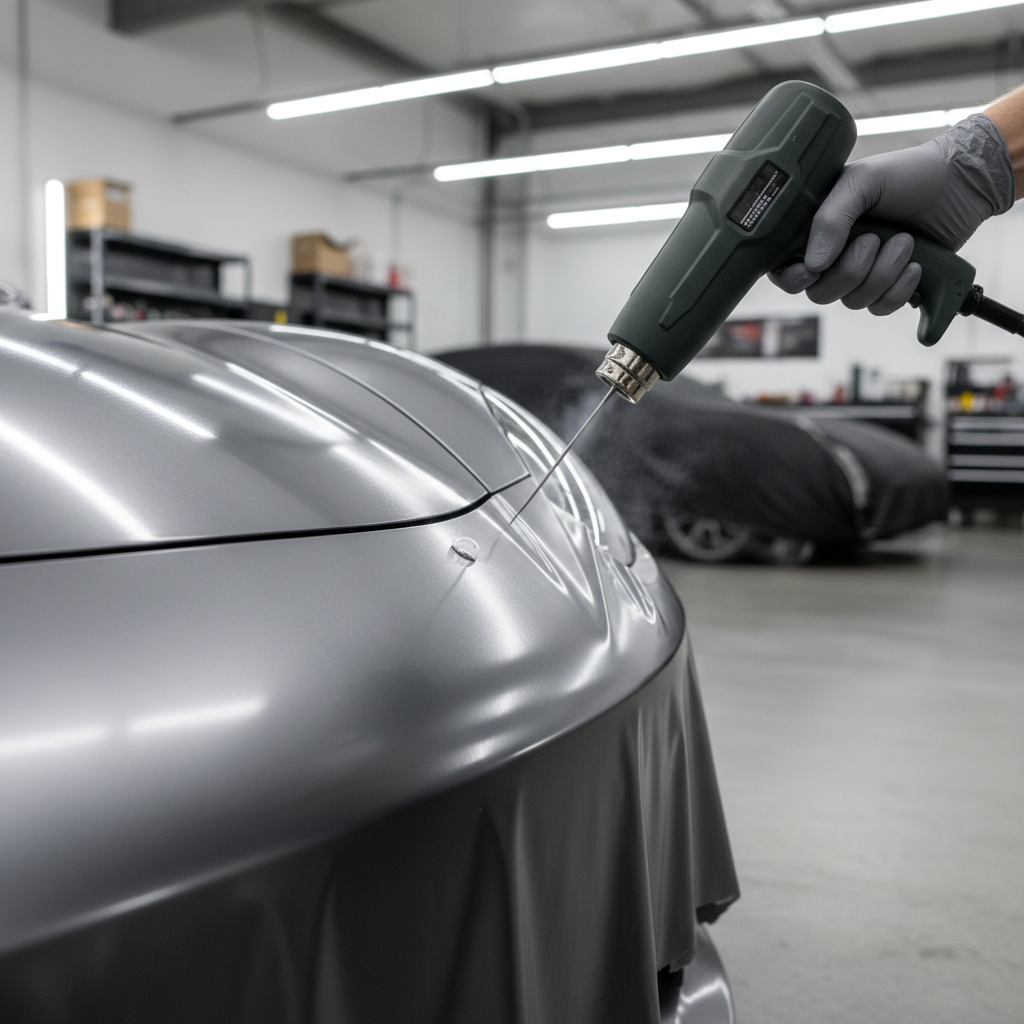
- Apply gentle heat: Use a heat gun or hair dryer on a low setting. Hold it 6-12 inches away.
- Massage out: Using a soft microfiber cloth or a wrap squeegee, gently push the air toward the nearest edge of the vinyl.
Method B: The Pin-Prick (Advanced)
If the bubble is in the middle of a large panel and won't move, you may need to vent the air.
- Use a fine needle: A standard sewing needle or a dedicated "air release tool" works best.
- Prick the edge: Do not stab the center of the bubble. Prick the very edge of the air pocket.
- Apply heat and press: Gently warm the area and use your thumb to push the air out through the tiny hole. The adhesive will seal the hole once the air is gone.
When to See a Professional
Some bubbles are symptoms of "lifting," where the vinyl is pulling away from a deep recess or curve. If you see bubbles forming in the channels of your door panels or around the bumpers, this usually requires professional post-heating or a patch.
If your wrap is under warranty, DIY repairs might void it. Check with your shop before attempting a fix. You can use our cost calculator to estimate if a full panel replacement is more cost-effective than a complex repair.
Prevention Tips for 2026
* Post-Heating: Ensure your installer post-heats the vinyl to its "memory" temperature (usually 180°F-200°F).
* Climate Control: Keep your newly wrapped car in a garage for the first 24-48 hours to allow the adhesive to set.
* Choose Quality: Stick to premium brands mentioned in our wrap types guide that feature advanced air-release channels.
Conclusion
Most small air bubbles are a temporary nuisance that can be fixed with a little heat and patience. However, if you are dealing with widespread bubbling or lifting, it’s time to consult the experts.
Ready to get that wrap looking perfect again? Find a top-rated wrap shop near you today.
Frequently Asked Questions
How do I tell the difference between an air bubble and a dirt speck?
If the bubble is soft and moves when pressed, it is likely air. If it feels hard or gritty, it is a speck of dirt trapped under the film. If it looks like a cloudy pocket of liquid, it is moisture from a wet installation that should evaporate naturally within a few days.
Is it safe to pop a bubble with a needle?
Yes, you can use a fine sewing needle to prick the edge of a stubborn air bubble. However, you must be extremely careful not to scratch the underlying paint. After pricking, apply light heat and press the air out toward the hole. For expensive wraps, we recommend visiting a professional to avoid visible scarring.
Will bubbles in a new wrap go away on their own?
Small air bubbles (under 1/8th of an inch) often disappear on their own as the vinyl settles and goes through heat cycles in the sun. If bubbles persist for more than a week, they likely need manual intervention.