How to Dry a Wrapped Car: 2026 Safety & Pro Tips
Learn the safest ways to dry your vehicle wrap without scratching or lifting. Pro tips for gloss, matte, and satin finishes to prevent water spots in 2026.
Maintaining a vehicle wrap requires more than just a safe wash; the drying process is where many enthusiasts accidentally cause damage. Whether you have a gloss, matte, or satin finish, water spots and improper friction are the enemies of longevity.
In this guide, we’ll break down the safest techniques to dry your wrapped vehicle to prevent swirling, lifting, and staining.
Why Drying Your Wrap Correctly Matters
Vinyl is a porous material compared to automotive paint. If you leave water to air-dry, the minerals in the water (calcium and magnesium) can etch into the vinyl, creating permanent "water spots" that are incredibly difficult to remove without damaging the wrap.
The Dangers of Improper Drying:
* Micro-scratches: Using old towels or dirty rags causes "swirl marks" on gloss wraps.
* Edge Lifting: Using high-pressure air or rubbing too hard near seams can peel back the vinyl.
* Staining: Hard water deposits can bake into the film under the sun.
The Best Methods for Drying a Wrapped Car
1. The Blow Dry Method (Preferred)
Using a dedicated car dryer or a leaf blower is the safest way to dry a wrap. Because there is no physical contact with the surface, there is zero risk of scratching.
* Pro Tip: Start from the top of the vehicle and work your way down. Focus on mirrors, door handles, and trim where water loves to hide.
* Safety Warning: Keep the nozzle at least 12 inches away from the surface to prevent the air pressure from catching an edge.
2. The Large Microfiber Drying Towel
If you don't have a blower, a high-quality, clean microfiber drying towel is the next best thing.
| Feature | Recommended Type |
|---|---|
| Material | 70/30 Polyester/Polyamide blend |
| Weight | 500+ GSM (Grams per Square Meter) |
| Technique | "Pat dry" or "Sheet dry" (don't scrub) |
3. The "Sheeting" Technique
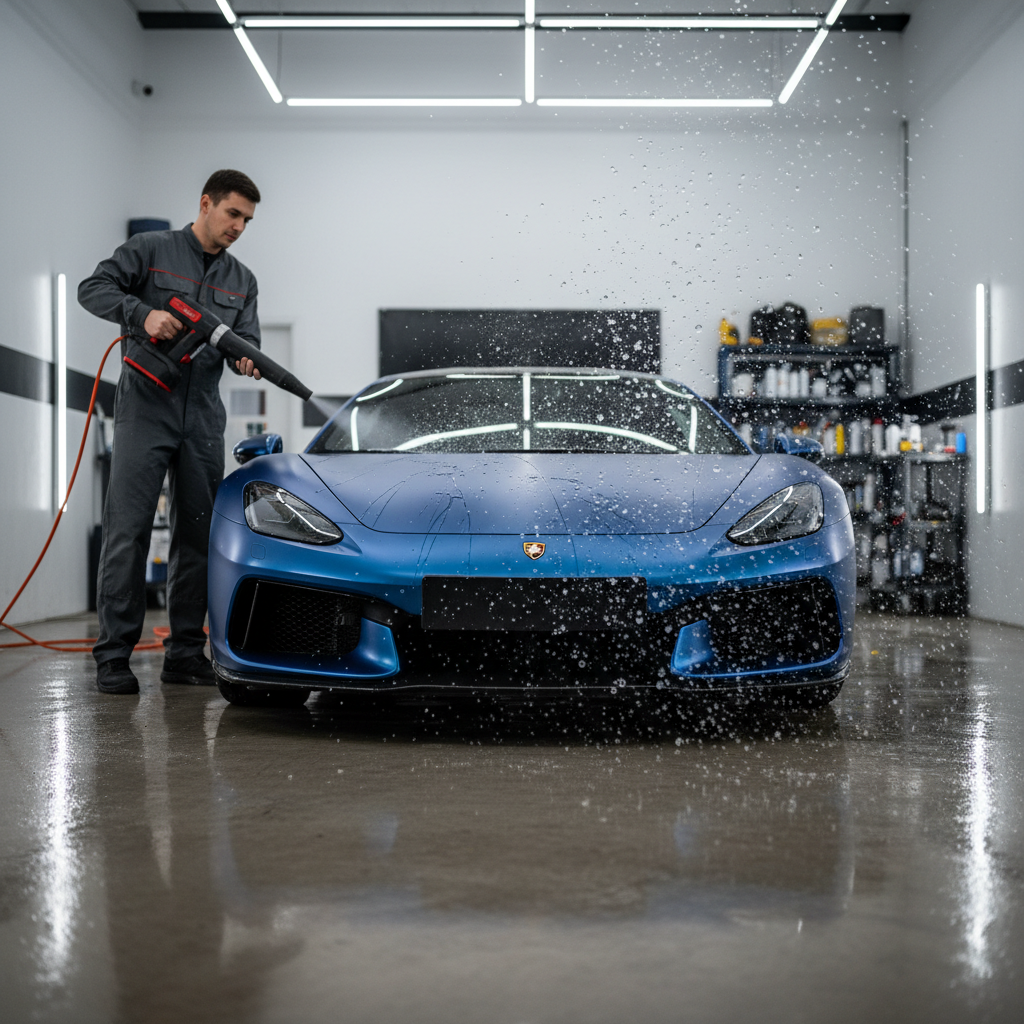
Before you even touch the car with a towel, use a hose with the nozzle removed to let a gentle stream of water flow over the panels. This "sheets" the water off, leaving very little behind for your towel to handle.
Finish-Specific Drying Tips
Gloss Wraps
Gloss wraps show scratches easily. Always use a detail spray or "drying aid" to provide lubrication as you wipe. This reduces friction and adds a boost of shine.
Matte and Satin Wraps
Never use wax or gloss-enhancing drying aids on matte or satin finishes. This will create uneven blotches or unwanted shine. Use only matte-specific detailers or simply stick to the air-drying method. You can learn more about how to care for a matte vinyl wrap here.
Post-Dry Protection
Once the car is dry, it is the perfect time to apply a ceramic sealer designed for vinyl. This adds a hydrophobic layer that makes the *next* drying process even easier. If you are debating between different protection types, check out our Vinyl Wrap vs. Ceramic Coating comparison.
When to Call a Pro
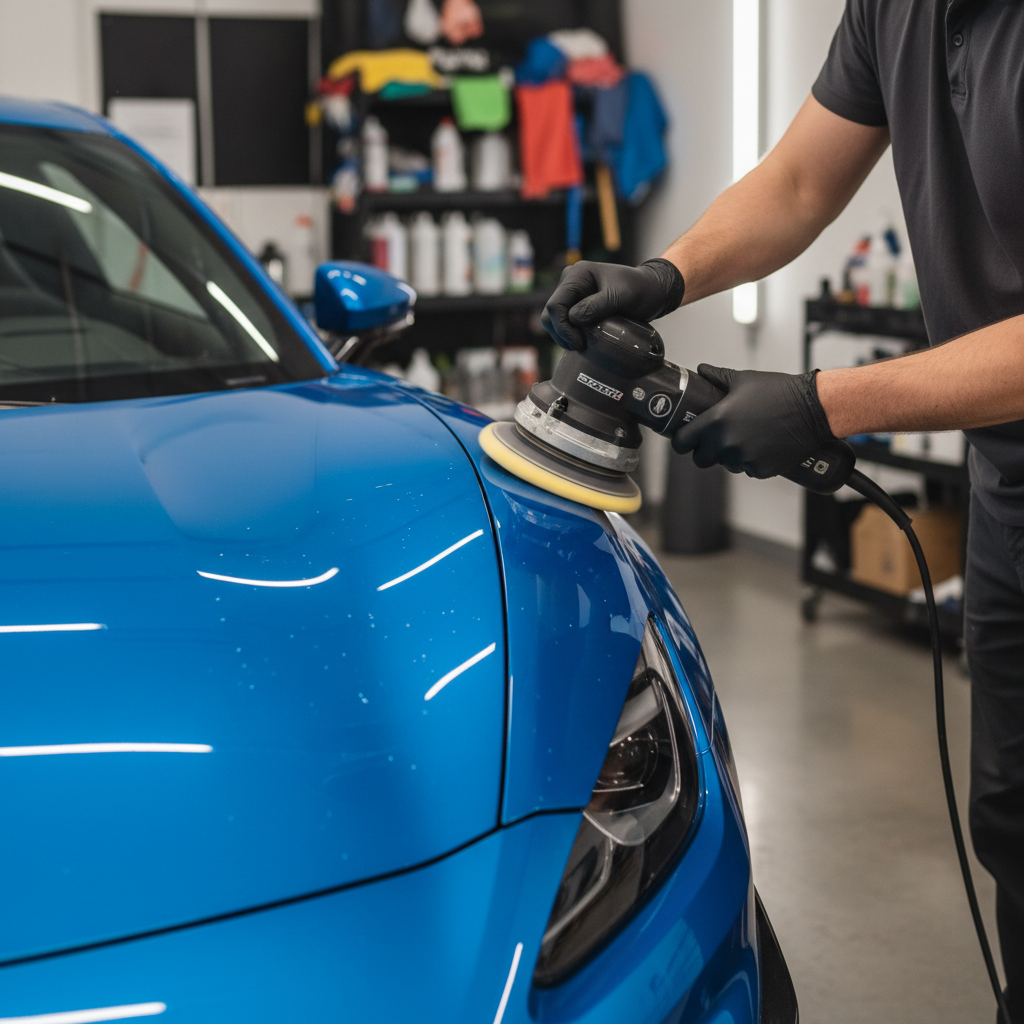
If you notice water spots that won't come off with a standard wash and dry, do not attempt to buff them out with a machine polisher. This will ruin the vinyl. Instead, search for a professional wrap installer who can safely deep-clean or replace the affected panel.
For a full breakdown of long-term care, see our 2026 Professional Maintenance Guide.
Frequently Asked Questions
What is the safest way to dry a wrapped car?
The safest way to dry a wrapped car is using a leaf blower or a dedicated automotive air dryer. This eliminates physical contact, which prevents micro-scratches and swirl marks on the vinyl surface.
Can I use a regular towel to dry my car wrap?
If you must use a towel, choose a clean, high-GSM (500+) microfiber drying towel. Instead of rubbing the surface, lay the towel flat across the wet panel and gently pat it or pull it toward you to soak up the water.
Is it okay to let my car wrap air-dry?
No, you should never let a wrapped car air-dry, especially in the sun. Hard water minerals will settle into the vinyl pores, causing permanent water spots and etching that are nearly impossible to remove without replacing the wrap.