How Long Does a Car Wrap Last? (2026 Lifespan Guide)
How long does a vehicle wrap really last? Discover the factors that affect vinyl lifespan, from UV exposure to maintenance, and learn when to remove it.
Adding a vinyl wrap to your vehicle is a significant investment. Whether you’ve chosen a sleek satin black for your Audi or a vibrant commercial wrap for your fleet, the most common question we hear is: "How long will this actually last?"
While the short answer is typically 5 to 7 years, the reality is much more nuanced. Depending on the material quality, climate, and how you maintain it, a wrap can look brand new for a decade or start failing in under three years.
In this guide, we break down the lifespan of car wraps and how you can maximize your ROI.
Average Lifespan by Wrap Type
Not all vinyl is created equal. The manufacturing process plays a massive role in how the material handles UV rays and tension.
| Wrap Type | Expected Lifespan | Best Use Case |
|---|---|---|
| Cast Vinyl (Premium) | 5 – 7 Years | Full color changes, complex curves |
| Calendared Vinyl (Economy) | 2 – 4 Years | Flat surfaces, short-term promotions |
| Reflective Vinyl | 3 – 5 Years | Emergency vehicles, nighttime visibility |
| PPF (Paint Protection Film) | 7 – 10 Years | Maximum protection and clarity |
*Note: For an accurate quote on premium cast wraps in your area, visit our Wrap Cost Calculator.*
4 Main Factors That Influence Wrap Durability
1. Sun Exposure and Climate
UV rays are the #1 enemy of vinyl. If you live in high-heat environments like Arizona or Florida, the constant radiation breaks down the PVC and adhesives faster. Horizontal surfaces (hood, roof, trunk) usually fail first because they take the most direct sunlight.
2. Storage Conditions
A garaged car will almost always outlast a car parked on the street. Protecting the vinyl from "fallout"—such as bird droppings, tree sap, and acid rain—prevents the surface from etching and staining.
3. Cleaning Frequency
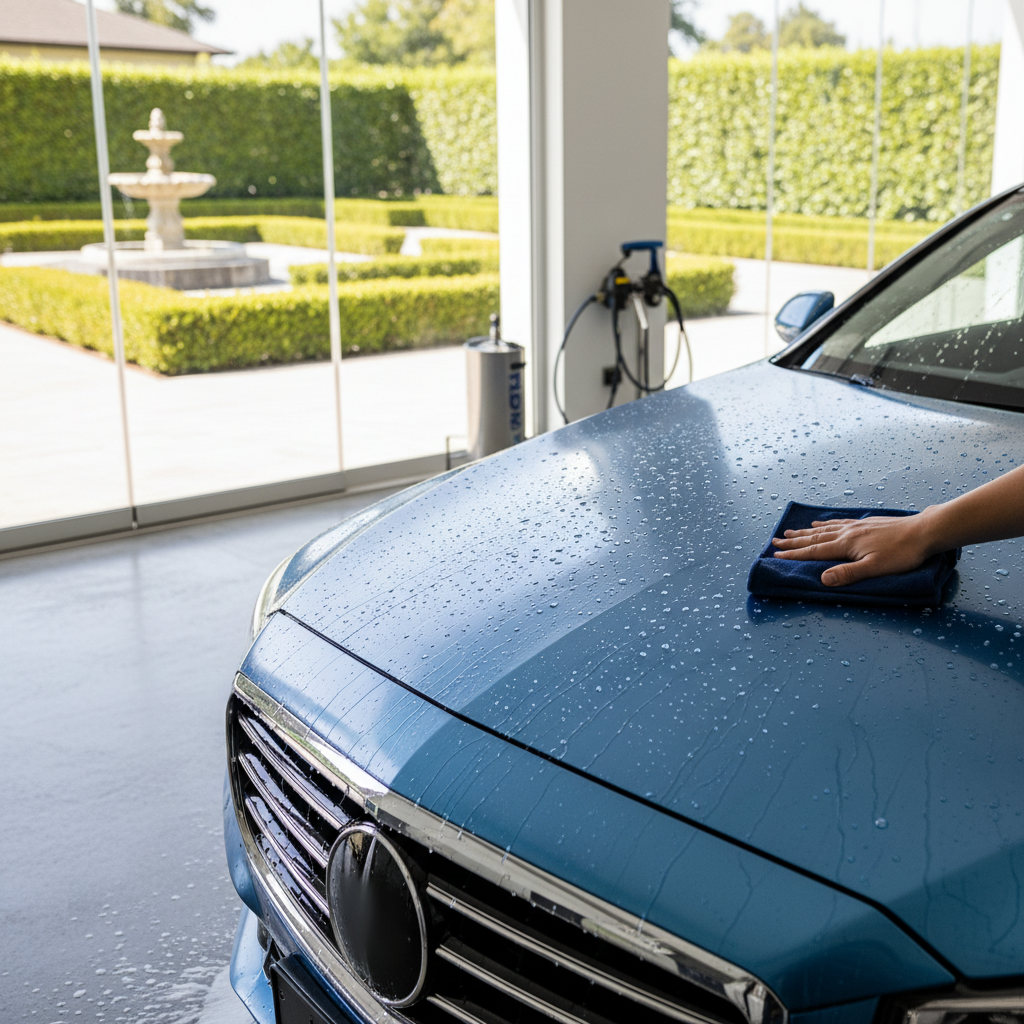
Road salt in the winter and dirt buildup in the summer act like sandpaper on your wrap. Hand washing is essential. Automatic car washes with stiff brushes can lift edges and cause micro-scratches in the finish.
4. Installation Quality
If a wrap isn't post-heated correctly or if the edges aren't tucked with precision, you will see lifting within weeks. This is why choosing a certified professional is non-negotiable. You can search for top-rated installers here.
Signs It’s Time to Remove Your Wrap
Leaving a wrap on past its expiration date can make removal a nightmare. When the adhesive becomes "baked" onto the paint, it can take twice as long to remove and may even damage the clear coat.
Watch for these warning signs:
* Fading or Discoloration: Common on the hood and roof.
* Cracking (Crazing): Small spider-web cracks mean the vinyl has lost its oils and is brittle.
* Browning/Staining: Usually caused by pollution or "burning" from the sun.
* Lifting Edges: Dirt gets under the adhesive, making it impossible to reseal.
Pro Tip: Extending the Life of Your Wrap
To get the most out of your investment, we highly recommend a Ceramic Coating specifically formulated for vinyl. This adds a sacrificial hydrophobic layer that blocks UV rays and makes cleaning significantly easier.
Want to learn more about the different finishes available? Check out our Guide to Wrap Types.
Summary
A high-quality wrap installed by a professional and maintained with care should easily last 5+ years. If you neglect the wrap or live in extreme conditions, expect closer to 3 years. Always keep an eye on the horizontal surfaces to ensure you remove the film before it becomes brittle.
Frequently Asked Questions
What is the average lifespan of a car wrap?
Most professional-grade wraps (using 3M or Avery Dennison cast vinyl) last between 5 and 7 years. However, this depends heavily on sun exposure and how often the vehicle is cleaned.
Can I take a wrapped car through a car wash?
Yes, but only if they are "touchless." Avoid car washes with spinning brushes, as these are too abrasive and can tear the vinyl or lift the edges. Hand washing is always the safest method.
What happens if I leave a wrap on too long?
If you leave a wrap on for 10+ years, the adhesive can harden and bond permanently to the paint. This makes removal extremely difficult and increases the risk of pulling the clear coat during the removal process.