Best Wraps for Electric Vehicles: 2026 Style & Tech Guide
Discover the best wrap finishes for electric vehicles in 2026. From satin finishes to colored PPF, learn what works best for your Tesla, Rivian, or Lucid.
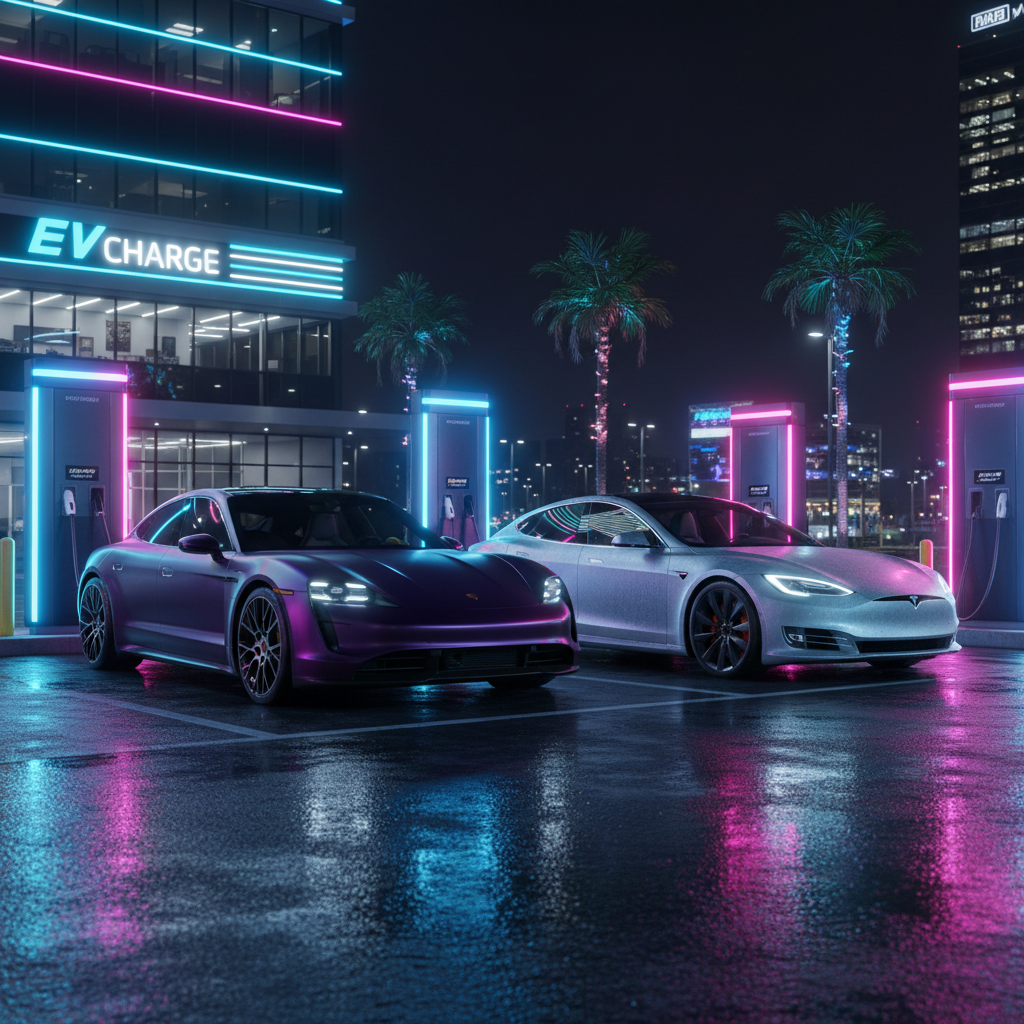
As electric vehicles (EVs) continue to dominate the roads in 2026, owners are looking for ways to make their silent rides stand out. Whether you’re driving a Tesla, a Rivian, or one of the new electric offerings from Porsche or BMW, a high-quality vinyl wrap is the ultimate upgrade.
But wrapping an EV isn't exactly like wrapping a traditional internal combustion engine (ICE) vehicle. From aerodynamic flat surfaces to integrated sensors and thermal management, there are specific considerations for EV owners.
Why Wrap Your EV?
Beyond the obvious aesthetic boost, wrapping an EV offers three distinct advantages:
- Protecting the Paint: Tesla and many other EV manufacturers are often criticized for soft or thin factory paint. A wrap acts as a sacrificial layer against rock chips and road debris.
- Aerodynamic Smoothness: High-quality vinyl creates a sleek, low-friction surface that can help maintain the vehicle's low drag coefficient.
- Resale Value: EVs are high-value tech products. Keeping the original paint pristine under a wrap ensures maximum trade-in value when you upgrade to the next model.
Top Wrap Finishes for EVs in 2026
The trend for 2026 focuses on "Future-Tech" aesthetics—finishes that highlight the clean lines and modern silhouettes of electric cars.
1. Color-Shift & Iridescent Wraps
These wraps change color based on the viewing angle and lighting. They lean into the "high-tech" vibe of EVs. Brands like 3M and Avery Dennison have released "Interstellar" and "Prismatic" series that are incredibly popular for Model 3 and Model Y owners.
2. Stealth / Satin Finishes
Nothing says premium like a Satin finish. It provides a soft, non-reflective sheen that accentuates the body lines of performance EVs like the Audi e-tron GT or the Lucid Air.
3. "Color-Matched" PPF
A new trend for 2026 is Color-Infused Paint Protection Film. This gives you the incredible durability of PPF with the color customization of vinyl. It’s thicker (8-10 mils) and provides much better impact resistance than standard 3-mil vinyl.
| Wrap Type | Durability | Price Range (Installed) | Best For |
|---|---|---|---|
| Matte/Satin Vinyl | 3-5 Years | $3,500 - $5,000 | Aesthetic customization |
| Color-Shift Vinyl | 3-4 Years | $4,000 - $6,000 | Head-turning looks |
| Gloss Vinyl | 5-7 Years | $3,000 - $4,500 | Classic paint look |
| Colored PPF | 7-10 Years | $6,000 - $9,000 | Ultimate protection |
Technical Considerations for EV Wraps
Wrapping an EV requires a professional who understands the unique hardware of these vehicles:
* Parking Sensors & Autopilot Cameras: Installers must precisely cut around (or apply thin film over) ultrasonic sensors and cameras to ensure ADAS (Advanced Driver Assistance Systems) functionality isn't compromised.
* Door Handles: Recessed or flush-mounting handles (common on Teslas and Hyundais) require expert dismantling or precise "inlays" to prevent peeling.
* Heat Management: EVs use their body panels and specialized grilles for thermal management. Ensure your installer doesn't cover critical intake vents or cooling ducts.
How Much Does it Cost?
Depending on the size of your EV and the film quality, you can expect to pay anywhere from $3,000 to $9,000. To get a specific estimate for your vehicle, check out our wrap cost calculator.
Ready to Transform Your EV?
Don't trust your high-tech vehicle to just anyone. Finding an installer experienced with EV sensors and panel removal is crucial. Use TheWrapMap Search to find certified professionals in your area who specialize in Tesla, Rivian, and other major EV brands.
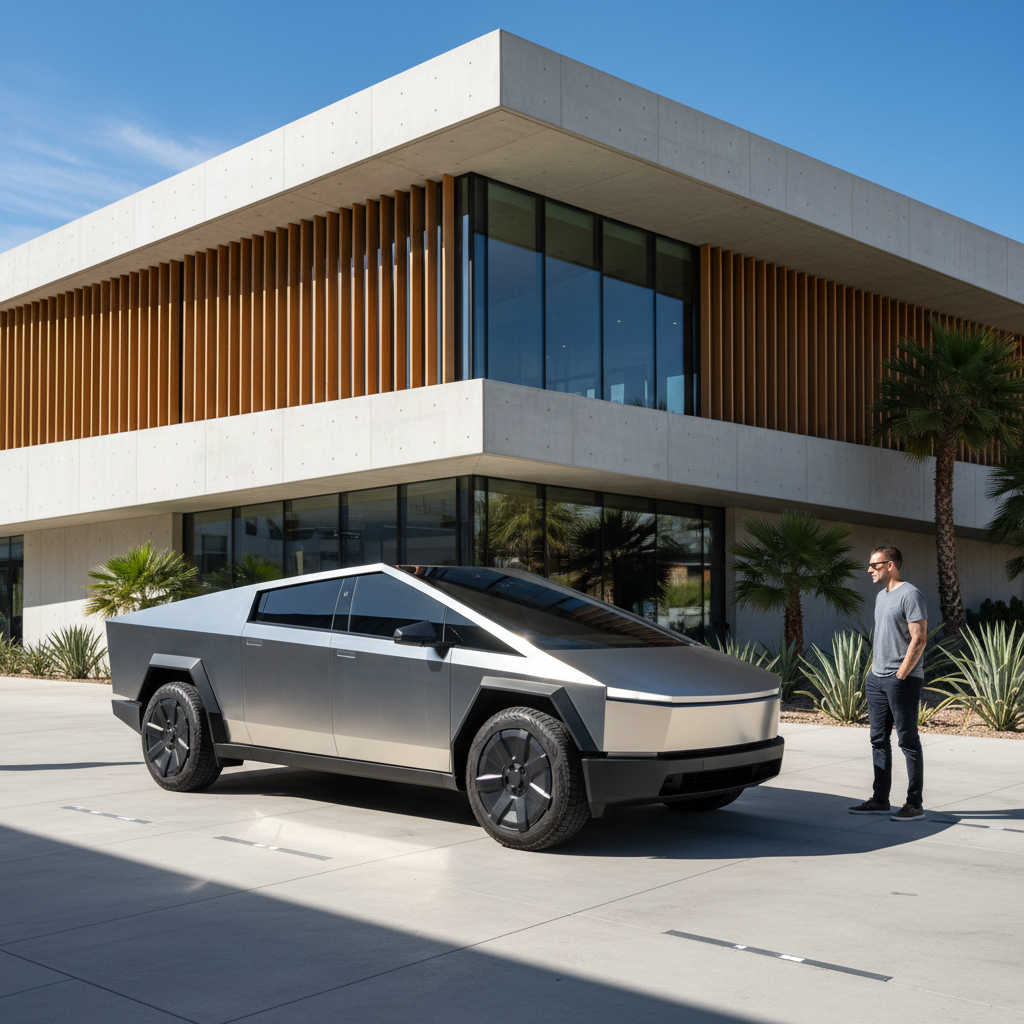
*Looking for more EV-specific advice? Check out our Tesla Cybertruck Wrap Guide.*
Why Tesla Paint Makes Wraps Essential
Tesla has long been criticized for having some of the thinnest factory paint in the automotive industry. Independent paint depth measurements consistently show Tesla's clear coat and base coat layers measuring between 3.5–4.5 mils — significantly thinner than the 5–7 mils typical of German and Japanese automakers.
This means:
- Rock chips appear faster — even highway driving at normal speeds can cause visible damage within months of ownership.
- Swirl marks show easily — the soft clear coat is prone to micro-scratches from automatic car washes or improper hand washing.
- Color fading — thinner paint is more susceptible to UV degradation, especially on darker colors like black and midnight cherry red.
A quality vinyl wrap or PPF adds 3–10 mils of additional protection, effectively doubling or tripling the barrier between the road and your paint. For Tesla owners in particular, this isn't just cosmetic — it's a smart investment in preserving resale value. A wrapped Tesla with pristine original paint underneath can command $2,000–$5,000 more at trade-in compared to one with visible paint damage.
> Pro tip: If you're picking up a brand-new Tesla, schedule your wrap or PPF installation within the first week. The sooner you protect that thin factory paint, the better.
Find a Tesla wrap specialist near you on TheWrapMap.
Frequently Asked Questions
Do vinyl wraps interfere with EV sensors or cameras? Louder?
In most cases, yes. High-quality vinyl and PPF are thin enough that they do not interfere with ultrasonic parking sensors or Autopilot/FSD cameras, provided the installer doesn't place thick seams directly over the lens. Specialized 'recessed' cuts are standard practice for EV professionals.
Does wrapping an EV affect its range or battery life?
Vinyl wraps have no measurable impact on EV range. In fact, some matte and satin finishes can theoretically improve aerodynamics slightly compared to damaged or rough factory paint, though the difference is negligible in real-world driving.
Why are so many Teslas wrapped?
Teslas are the most commonly wrapped vehicles because of their limited factory color palette and known paint softness. Wrapping a Tesla not only personalizes the look but provides a necessary protective layer to maintain the car's resale value.